
7 Signs It’s Time to Scrap Your Car (And Stop the Money Pit)
Many car owners struggle with one big question:
“Should I repair my car or scrap it?”
While some repairs are worth it, there comes a point where fixing a vehicle no longer makes financial or practical sense. Knowing when to stop investing in an old car can save you time, money, and stress.
In this guide, we’ll break down the clear signs that it may be time to scrap your car instead of repairing it.
1. The “Upside-Down” Repair Bill
This is the ultimate dealbreaker. If the cost of the repair exceeds the actual cash value (ACV) of the vehicle, you are effectively “buying” your old car back at a premium.
The Golden Rule: If a single repair costs more than 60% of the car’s total value, it’s time to look at the scrap yard.
2. Chronic “Check Engine” Syndrome
If your mechanic is on your speed dial and you’re seeing him more than your best friend, your car has become unreliable. Frequent, smaller repairs (sensors, hoses, alternators) often act as a precursor to a total system failure.
3. Terminal Mechanical Failure
When the “Big Two” go, the car usually goes with them:
-
Engine: Blown head gaskets or seized pistons.
-
Transmission: Slipping gears or total loss of drive.
Replacing these on a high-mileage vehicle rarely offers a return on investment.
4. Structural Rust (The Silent Killer)
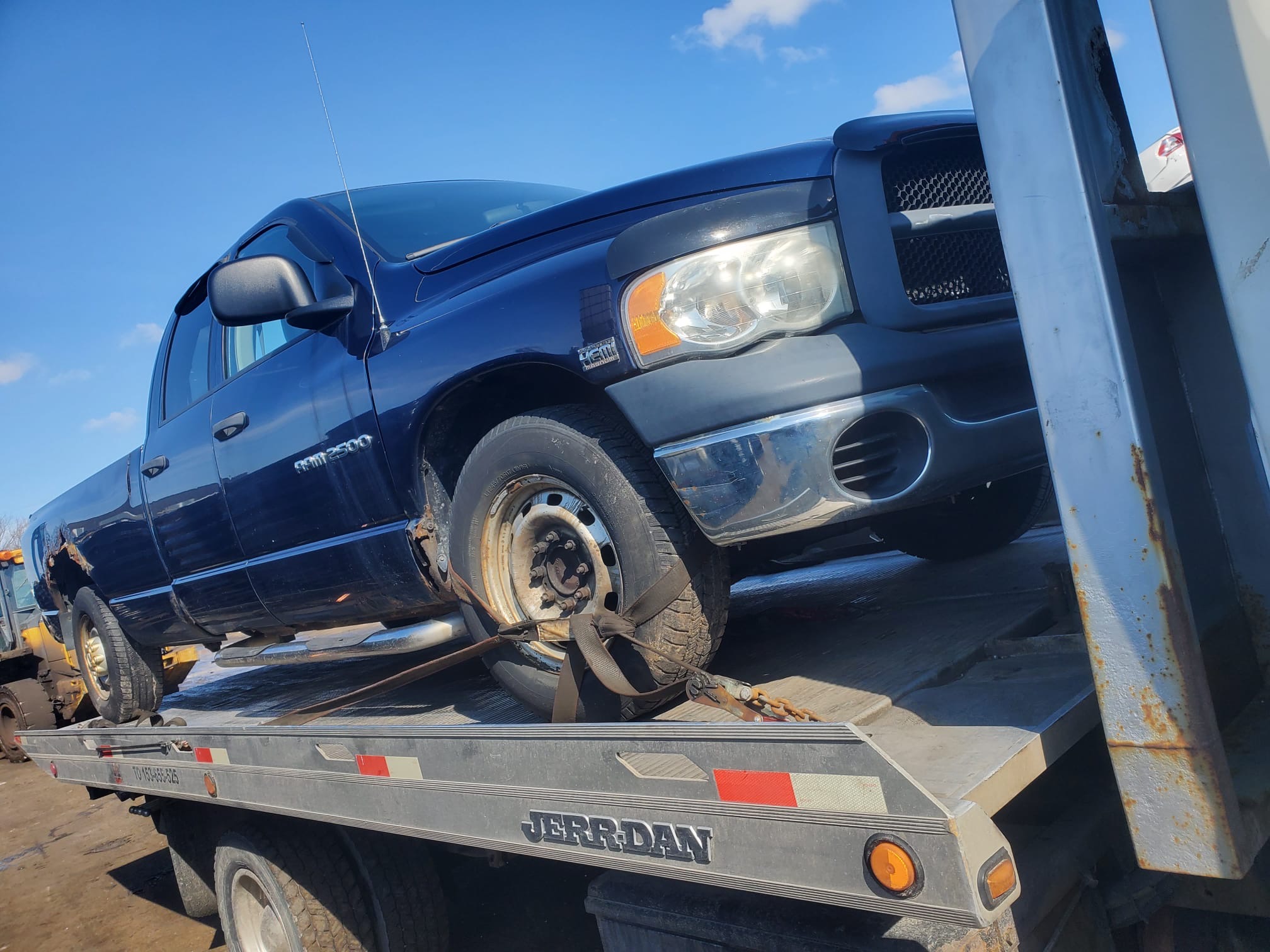
Cosmetic rust is a nuisance; frame rust is a safety hazard. Once oxidation compromises the structural integrity of the chassis or subframe, the car may no longer protect you in a collision. In many cases, structural rust is legally unrepairable for road use.
5. The “Red Tag” (Failed Inspections)
In jurisdictions like Ontario, failing a safety or emissions test can render your car a lawn ornament. If the “fix-it list” provided by the inspector costs more than the car is worth just to get a sticker, you’re throwing good money after bad.
6. The “Rotting” Effect of Neglect
Cars are designed to move. When a vehicle sits for over six months, seals dry out, fluids turn to sludge, and rodents often move into the wiring. Bringing a “sitter” back to life usually uncovers a “domino effect” of mechanical failures.
7. Post-Accident Trauma
Modern cars are designed with crumple zones. Once these have been deployed or the frame has been tweaked in a major accident, the car will never truly drive “straight” again. Even with a rebuilt title, the resale value plummets.
Repair vs. Scrap: At a Glance
| Feature | Repairing the Beater | Scrapping for Cash |
| Financial Outlay | High & Unpredictable | Positive Cash Flow |
| Time Investment | Days/Weeks at the shop | Same-day removal |
| Stress Level | High (Will it break again?) | Zero (Problem solved) |
| Safety | Questionable | N/A |
Benefits of Scrapping Your Car
If your vehicle meets several of the signs above, scrapping can be the smarter choice.
✔ Save Money
Avoid spending thousands on repairs that may not last.
✔ Free Up Space
Remove an unused or broken vehicle from your property.
✔ Quick and Simple Solution
No need to deal with selling privately or fixing the car.
✔ Environmentally Responsible
Vehicle recycling helps reduce waste and reuse materials.
When Should You Actually Keep It?
Don’t call the tow truck just yet if:
-
The car is under 10 years old with low mileage.
-
The repair is a “wear and tear” item (brakes, tires, or a battery).
-
You have a clear service history and the rest of the car is pristine.
The Bottom Line
Deciding to scrap your car isn’t a defeat—it’s a strategic financial move. By choosing to scrap, you stop the hemorrhage of repair costs, free up driveway space, and put immediate cash toward a vehicle that won’t leave you stranded.
Is your car’s “Check Engine” light basically a permanent interior decoration at this point?